
Community
Mystic Lake Amphitheater faces noise study after complaints from neighbors
By Marcus Chen
Advertisement · Why this ad?
Marcus manages the day-to-day editorial workflow across all brands, coordinating coverage assignments and ensuring editorial standards are met. He previously served as city editor at the Pioneer Press and holds a degree in Political Science from Carleton College.
More from Marcus →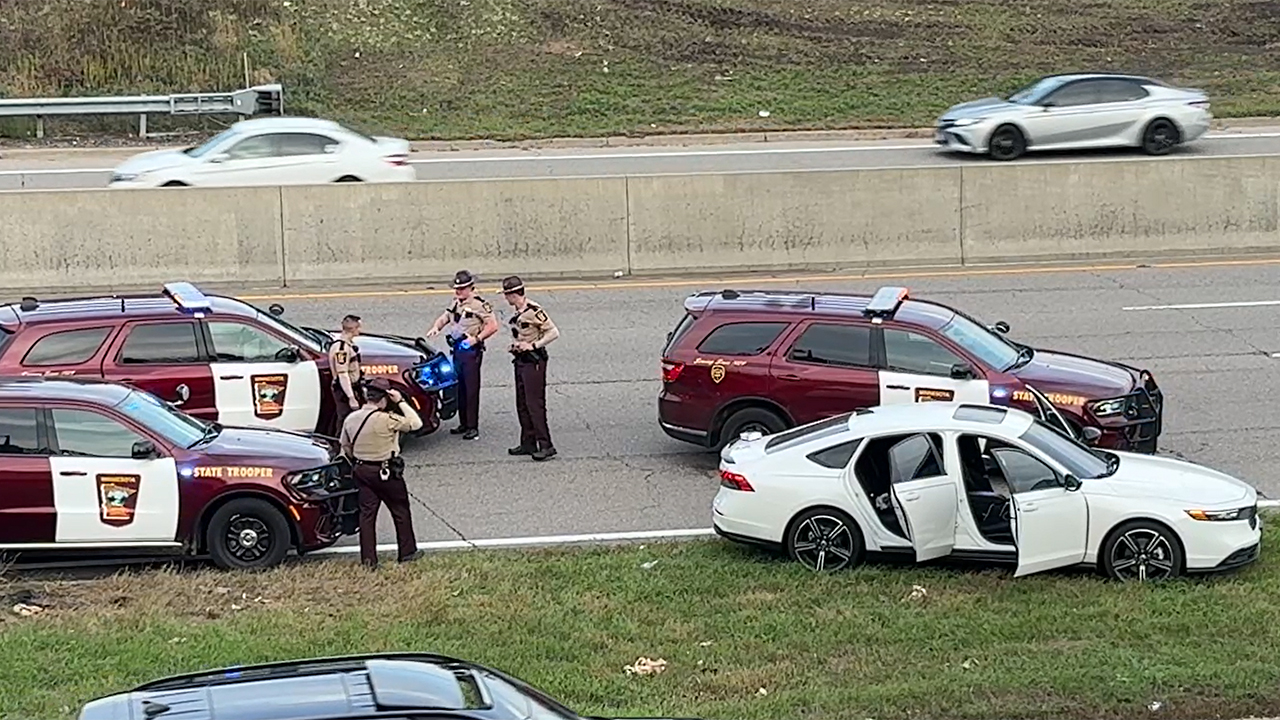
On a quiet September evening, a driver’s life was forever changed on Highway 100 in St. Louis Park. Gunfire erupted, leaving the vehicle riddled with bullets and the driver with a gunshot wound to the ankle. That moment, captured in police reports, underscores a troubling surge of gang violence tearing through the west metro — violence that threatens families, communities, and the peace we cherish. The hard truth is, this shooting was no random act but a brutal clash rooted in gang rivalry and retaliation.
Police responded just after 6 p.m. on September 30 to find a white Honda Accord struck by six gunshots on southbound Highway 100. The driver, shot in the ankle, and a passenger told officers they were followed and attacked by a black Hyundai Sonata with tinted windows and dark wheels. Investigators quickly identified the Hyundai’s owner, 19-year-old Abdisalan Ali of Blaine, linked to the gang known as Hennepin County records as “1300.”
Further investigation revealed Mohamed Ahmed Mohamed, 20, and 19-year-old Ayub Abdirashiid Said, both passengers in the Hyundai, opened fire while Ali drove. Phone location data placed them at the scene, while messages and images found on their phones showed bragging about past shootings and a disrespectful display of the “Muddy” gang hand sign turned upside down.
The shooting is part of a broader pattern of escalating gang conflicts in the west metro. Earlier this year, a shooting at a high school homecoming football game injured two, prompting community concern. In July, police responded to Yancey Park in Eden Prairie after reports of gunfire at a large gathering, with no injuries but a $5,000 reward for tips. Just weeks later, shots rang out at Our Lady of Grace Church in Edina, where over 50 rounds were fired during a basketball game, again with no injuries but multiple suspects involved.
Authorities link these incidents to ongoing feuds between gangs like “Muddy” and “SLP,” a street gang known for its rivalry and territorial disputes. The criminal complaint states all three suspects—Ali, Mohamed, and Said—are affiliated with “SLP,” a group with a reputation for violence and intimidation in the community. These conflicts threaten the fabric of family life, as innocent bystanders often get caught in the crossfire.
These violent episodes have deeply unsettled residents and local leaders alike. In neighborhoods like St. Louis Park and neighboring communities, residents express growing fears about the safety of their children, elderly, and all who live and work there. The escalating violence disrupts daily routines, erodes trust, and raises urgent questions about law enforcement’s ability to prevent such incidents. Many community members recall previous efforts to curb gang activity that, despite some successes, seem insufficient against the rising tide of violence.
For example, the West Calhoun neighborhood, known for its family-friendly parks and local businesses, has seen an uptick in police patrols since the shooting. Local business owners worry about their storefronts and the reputation of their community, fearing that continued violence could deter visitors and affect economic vitality. Parents are particularly worried about their children’s safety, especially as school districts increase security measures and youth outreach programs try to steer kids away from gang involvement.
Community leaders and residents are alarmed by the spike in violence. “Our neighborhoods should be safe places for families and children,” said local pastor James Carter. “Gangs like these threaten our children’s future and our community’s peace. We need stronger efforts to restore safety and uphold the values of faith and family.” Many parents worry about the impact on their children, especially as schools and churches try to foster a sense of security amidst the chaos.
Local organizations are stepping up, offering youth programs and mentoring to steer young people away from gang involvement. The Minneapolis Public Schools district has increased security at high school events, while faith-based groups are praying for peace and unity. These efforts reflect a community committed to healing through faith, strong families, and steadfast hope for a safer future.
In addition to organized programs, grassroots efforts like neighborhood watch groups are gaining momentum. Community members are holding meetings to discuss safety concerns and coordinate patrols. Some local churches have begun hosting regular prayer vigils, emphasizing reconciliation and peace-building. These collective efforts symbolize resilience, demonstrating that the community refuses to be divided by violence.
Abdisalan Ali, the registered owner of the Hyundai Sonata, is a 19-year-old from Blaine with known ties to the “1300” gang. Court records and police sources describe him as someone involved in multiple minor incidents, but this case marks a significant escalation. His association with the gang reflects a broader pattern of youth involvement in territorial disputes that often spiral into violence.
Mohamed Ahmed Mohamed, 20, and Ayub Abdirashiid Said, 19, are both residents of Minneapolis and Coon Rapids respectively. Mohamed, who is of East African descent, has a criminal record that includes prior charges related to assault and weapons. Said, also of East African heritage, has been identified as a gang affiliate through social media posts and community reports. Their participation in the shooting underscores the role of youth caught in cycles of violence, often driven by socioeconomic factors and community neglect.
Law enforcement officials emphasize that dismantling gangs requires more than arrests; it demands community cooperation. Detective Lisa Monroe, leading the investigation, noted, “We’re working closely with community leaders, schools, and faith organizations to address the root causes of this violence. Our goal is to prevent further retaliation and create pathways for young people to find alternatives.”
Community organizations are also stepping into the breach, offering mentoring, job training, and conflict resolution programs. These initiatives aim to provide hope and tangible opportunities for youth, reducing the allure of gang life.
Authorities have arrested Ali, Mohamed, and Said, charging them with drive-by shooting and second-degree assault. The investigation continues, with police promising to dismantle gangs fueling this violence. Community members are urged to report any suspicious activity, and law enforcement is working with local leaders to implement preventative measures. The hope is that these arrests mark a turning point in curbing the cycle of retaliation and restoring peace to our streets.
As families gather around dinner tables and children play safely once more, the community’s resilience shines through. The fight against gang violence is ongoing, but with faith, commitment, and community action, Minneapolis can reclaim its neighborhoods and uphold the values of strong marriages, intact families, and authentic faith that build a better tomorrow.
By Marcus Chen

By Katherine Langford

By Katherine Langford

By Katherine Langford